

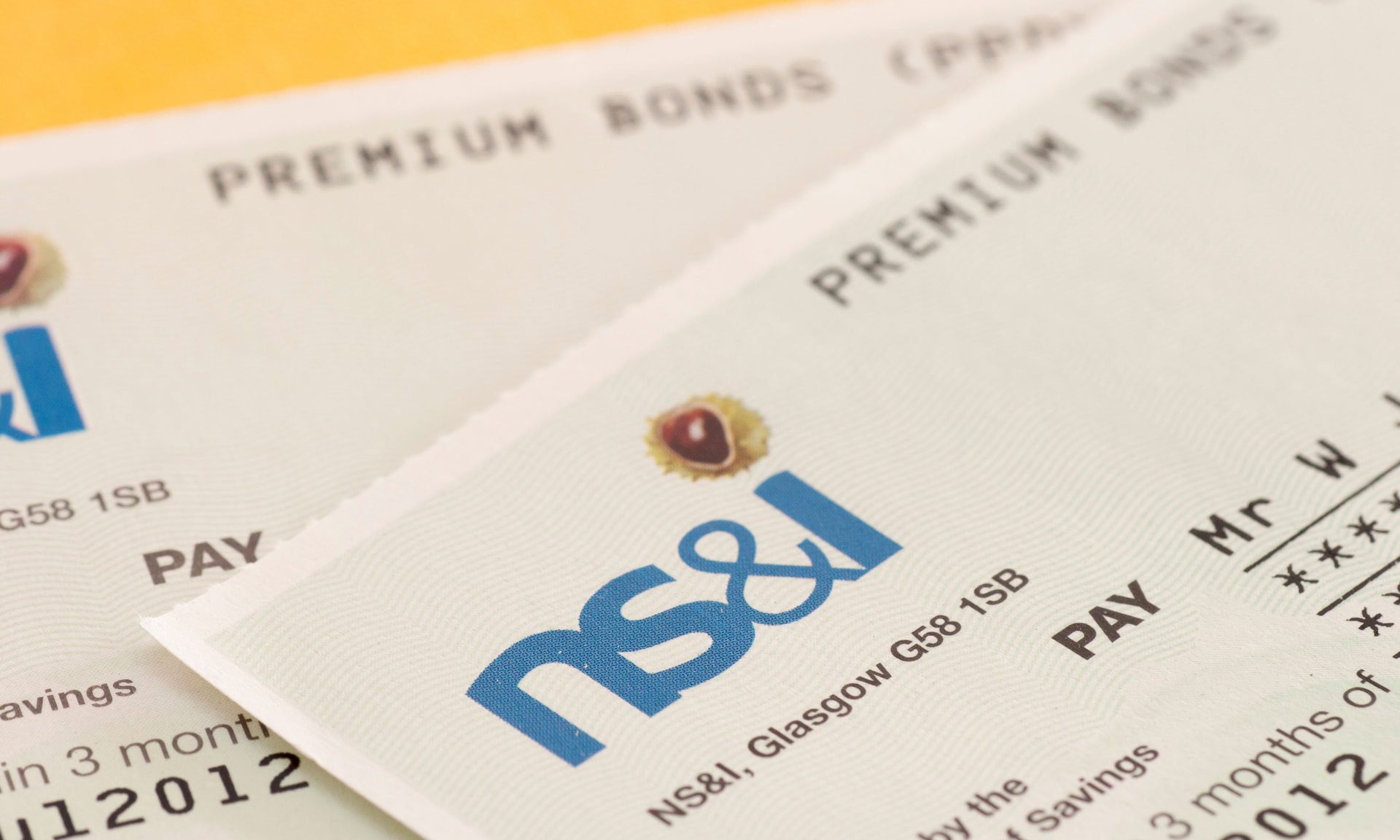
Premium Bonds in 2026: the quick answer
Premium Bonds are a UK savings product from National Savings and Investments (NS&I), rather than a conventional investment. Your money buys £1 Bond numbers. Those numbers go into a monthly prize draw and may win a tax-free cash prize; they do not earn a stated rate of interest. The attraction is that your original holding is retained while you have a chance of a prize, including the two £1 million prizes issued each month. The trade-off is simple: there is no guaranteed return, and many holders will receive less than they could earn in a competitive savings account.
For a UK saver, Premium Bonds can make sense as part of accessible cash savings if the possibility of a prize is genuinely valuable to you and you accept uneven or zero prizes. They are usually a poor fit for money that must generate a reliable income, for a goal with a fixed date, or for cash you cannot afford to leave without interest. This is general information, not personal financial or tax advice. Product terms, rates, odds and prize allocation can change, so check NS&I’s current information before applying or moving money.
Information checked 11 September 2026. NS&I currently states an annual prize fund rate of 4.35% and odds of 21,000 to 1 for each £1 Bond in each monthly draw, both variable and applying from the September draw. The prize fund rate is not a rate that each holder receives. It describes the value NS&I expects to put into prizes across eligible Bonds over a year.
| Current product point | What it means in practice |
|---|---|
| Buying and holding limit | You can buy from £25 and may hold up to £50,000 in Premium Bonds in total. |
| Prize range | Monthly prizes range from £25 to £1 million. Winning is not guaranteed. |
| Odds | Each eligible £1 Bond has 21,000-to-1 odds in a monthly draw; the odds are variable. |
| Tax | NS&I says prizes are free from UK Income Tax and Capital Gains Tax. |
| Access | You can cash in online, by phone or by post without notice or penalty. NS&I says withdrawals can take 3–5 days to reach a bank account. |
These points come from NS&I’s Premium Bonds key product information. Do not treat a product page saved months ago as current: the rate, odds, prize values and allocation are expressly variable.
How Premium Bonds work
You buy Bond numbers, not a savings rate
When you purchase Premium Bonds, your payment is converted into individual £1 Bond numbers. Provided a Bond is eligible, each number has the same chance in the monthly draw. More Bonds therefore mean more entries, but they still do not create a promised monthly payment. A £50,000 holding has more chances than a £25 holding, yet it can have a disappointing run; a smaller holding can win.
Premium Bonds are often described as an “investment”, but it is more accurate to think of them as cash savings with a prize draw instead of interest. The £1 face value does not rise with markets, and prizes are not reinvested automatically in the way interest might compound in a savings account. This distinction matters when comparing them with a cash ISA, easy-access account, pension or stocks and shares investment.
When new Bonds first enter the draw
New purchases do not normally enter immediately. NS&I says you must hold Bonds for a whole month before they are eligible. Its example is that Bonds bought at any point in November enter the January draw. Factor this gap into any comparison with an account paying interest from the date your deposit arrives, and re-check the current rule before a time-sensitive purchase.
What happens in a draw
NS&I pools the prize fund and distributes it through monthly draws. The current published allocation splits the prize fund into higher-value, medium-value and lower-value bands: 10%, 10% and 80% respectively. Two £1 million jackpots are paid each month. This explains why the headline prize is possible but should not be used as a planning assumption: most prizes sit at the lower values, and the allocation itself can change.
For the latest published estimates and actual draw results, use NS&I’s monthly prize allocation page. It identifies the draw month it covers and warns that estimates are subject to change.
Prize odds, prize fund rate and the return you may actually receive
Read “21,000 to 1” correctly
The stated odds apply to each £1 Bond in a single monthly draw. They are not a promise that a £21,000 holding will win once a month, once a year or at any other interval. A Bond can win more than once over time, while another may never win during the period you own it. Results vary because the outcome is a draw, not interest credited at a fixed rate.
It is also important not to turn the odds into a personal forecast. Your individual outcome depends on how many eligible £1 Bonds you hold, how long they are eligible, the month’s draw and luck. Higher holdings increase the number of chances, but do not eliminate the possibility of no prize in a particular month or year.
Why the prize fund rate is not your interest rate
The 4.35% annual prize fund rate is a measure used to fund the overall prize pool, not the yield paid into every account. A saver who wins nothing receives 0% from Premium Bonds over that period; a saver who wins receives a lumpy result that may be above or below the headline rate. Comparing a quoted savings-account rate directly with 4.35% is therefore not like-for-like.
A practical comparison is to ask: “What return am I certain to receive elsewhere, after tax, and do I value the prize chance enough to accept the difference?” For a simple savings account, check whether its rate is variable, whether a bonus ends, how much can be withdrawn and whether conditions such as monthly deposits apply. Do not compare only the most attention-grabbing number.
Prizes are tax-free, but that is not the whole decision
NS&I states that Premium Bond prizes are exempt from UK Income Tax and Capital Gains Tax. The prizes do not use your Personal Savings Allowance (PSA). That can make Premium Bonds more attractive to someone already earning enough taxable savings interest to use their PSA, particularly where a cash ISA allowance is unavailable or has been used. The tax benefit cannot turn a zero prize outcome into interest, however.
For context, NS&I explains that the PSA is generally £1,000 for basic-rate taxpayers and £500 for higher-rate taxpayers, while additional-rate taxpayers do not have a PSA. Individual circumstances and tax rules can change, so use GOV.UK’s Personal Savings Allowance guidance and seek qualified advice if a decision depends on your tax position. NS&I’s explanation of the tax treatment is available at Paying tax on your savings.
Buying, holding and cashing in Premium Bonds
Who can buy and how much
NS&I’s current product information says that anyone aged 16 or over who has a UK bank account can buy Premium Bonds. The minimum purchase is £25 and the maximum total holding is £50,000. Bonds above the £50,000 limit are not eligible for prizes; NS&I says it can reclaim a prize paid in error on such a number. Premium Bonds cannot be held jointly.
Premium Bonds may also be bought as a gift for a child under 16. Until the child reaches 16, the parent or guardian named on the application manages the Bonds, regardless of who bought them. That makes the product a possible cash gift, but not a substitute for deciding what type of account best supports a child’s longer-term needs. Read the current child and gifting terms before sending money.
Ways to buy
NS&I lists online, telephone and postal purchases, with bank transfer or standing order available for existing Premium Bond holders in the circumstances it specifies. Online and phone purchases use a debit card; NS&I says it does not accept credit card payments. The available method and identity checks may differ for a child’s account or a gift, so follow the current application journey rather than relying on a third-party guide.
Access is relatively easy, not instant cash
You can withdraw all or part of your holding without notice or a penalty online, by phone or by post. NS&I currently says payments can take 3–5 days to reach your bank account. That can be useful for cash you may need, but it is not the same as money available at the till or by an instant bank transfer. Keep enough money in a readily available current or savings account for emergencies and bills that cannot wait.
Before cashing in, check whether you have prizes to claim and consider draw timing. Existing holders can use the official NS&I Prize Checker with their holder’s number. Use the genuine NS&I website or official app, and do not enter account details after following an unsolicited message claiming you have won.
Safety, risks and limitations
Capital security
NS&I is a state-owned savings bank and a non-ministerial government department. It says NS&I savings are backed by HM Treasury; its site describes this as 100% secure savings. That is a different basis of protection from the Financial Services Compensation Scheme (FSCS) limit used for eligible deposits at authorised banks and building societies. For this product, the relevant assurance is the HM Treasury backing described by NS&I, not an assumed FSCS comparison.
You can check the public status of the organisation at GOV.UK’s NS&I profile. Capital security does not mean the product has no drawbacks. The principal financial risks below are risks to your purchasing power and to what you earn, rather than share-price volatility.
The risks that matter in real life
| Risk or limitation | Why it matters | Practical response |
|---|---|---|
| No guaranteed return | You can receive no prize for a long period, even with eligible Bonds. | Do not use Premium Bonds for income or a known bill. |
| Inflation | £1 repaid later may buy less if prices rise and you do not win enough prizes. | Compare the likely role of this cash with alternatives and your time horizon. |
| Variable terms | The prize fund rate, odds and prize allocation may change. | Re-check NS&I information before buying and periodically thereafter. |
| Access delay | Withdrawals may take 3–5 days to arrive. | Hold immediate emergency cash separately. |
| Behavioural risk | The chance of a jackpot can distract from a lower but certain return elsewhere. | Set a cash-savings plan before looking at the prize list. |
| Scams and lost contact details | Criminals may imitate prize communications; unclaimed prizes can also go unnoticed. | Use official channels and keep your address, bank details and beneficiary arrangements up to date. |
“Risk-free” is therefore too broad a label. Premium Bonds do not expose the £1 face value to stock-market movements, but they do expose you to uncertain returns and potentially falling spending power. For money required over many years, consider whether cash is appropriate at all; the answer depends on your goals, capacity for loss and timeframe, not just on a prize rate.
Premium Bonds compared with common UK cash options
The right home for cash depends on what the cash is for. The following comparison is about structure, not a ranking. Rates, withdrawal rules and availability change frequently, so compare live product terms on the day you act.
| Option | Return | Access and limits | May suit |
|---|---|---|---|
| Premium Bonds | Variable, tax-free prizes; no promised interest. | No notice or penalty to cash in, but NS&I says payment can take 3–5 days. £25 minimum and £50,000 maximum holding. | Someone who values capital security and a prize chance, and can tolerate uncertain returns. |
| Easy-access savings account | Usually a stated interest rate, which may be variable and taxable outside an ISA. | Provider terms govern access and any account conditions. | Cash that needs a predictable return and relatively ready access. |
| Cash ISA | Stated interest that is tax-free, subject to product terms. | Access depends on whether it is easy-access, notice or fixed. The 2026–27 overall ISA subscription limit is £20,000. | Someone preserving tax-free savings space who wants interest certainty. |
| Fixed-rate savings account | Usually a stated fixed interest rate for the term. | Money is normally tied up for a period; early access may be restricted or penalised. | Cash not needed before a known date, if the terms match the goal. |
ISAs are a separate tax wrapper, not a single type of account. GOV.UK confirms that the 2026–27 ISA subscription limit is £20,000 and explains the eligibility rules and types of ISA at Individual Savings Accounts (ISAs). Premium Bonds are outside the ISA allowance, so holding one does not consume ISA subscription room.
Who Premium Bonds may suit — and who should look elsewhere
They may be reasonable for you if
- You already have cash for immediate bills and want a portion of accessible savings with a chance-based, tax-free outcome.
- You understand that a £25 prize, no prize, or a larger prize are all possible outcomes, and you will not rely on a particular result.
- You have compared the certainty of savings interest after tax with the uncertain prize outcome.
- You are a taxpayer for whom tax-free prizes could be useful, but you have also considered whether your PSA and ISA options already cover your taxable savings interest.
- You want a cash gift for a child and have reviewed the parent/guardian management rules and other child-saving choices.
They are less likely to suit you if
- You need a regular monthly income, a guaranteed rate or a known sum for rent, a tax bill, school fees or a house deposit deadline.
- You are carrying expensive borrowing, have missed priority payments, or do not yet have a workable emergency-cash buffer. In those situations, a prize product is rarely the first financial priority.
- You are choosing only because of the £1 million headline prize and have not compared likely outcomes with savings accounts.
- You need instant access to every pound, or you plan to hold cash for a long-term objective where inflation is a major concern.
- You want a joint account. Premium Bonds are not available to hold jointly.
If debt or arrears are part of the picture, get free, impartial help before deciding where to save. MoneyHelper’s dealing with debt guidance can help you identify support and priorities. This is not a recommendation to withdraw savings or repay a specific debt; the right action depends on the borrowing cost, benefits, emergency needs and personal circumstances.
A practical decision checklist
- Name the purpose of the money. Is it emergency cash, a purchase within a year, a tax buffer, a child’s gift or long-term wealth building? Premium Bonds work best only where an uncertain return does not undermine that purpose.
- Separate instant-access money. Because an NS&I withdrawal may take 3–5 days, leave funds for imminent bills and genuine emergencies where you can use them immediately.
- Check the current NS&I terms. Confirm the live prize fund rate, odds, prize values, £25 minimum, £50,000 maximum and your first eligible draw. Do this directly with NS&I on the day you apply.
- Compare alternatives on a like-for-like basis. Record the account rate, whether it is fixed or variable, access restrictions, tax treatment and any temporary bonus. Compare certain interest after tax with a chance-based prize outcome.
- Check the tax wrapper first. Work out whether you still have ISA subscription capacity and whether taxable interest is likely to exceed your PSA. Do not assume tax-free prizes automatically make Premium Bonds best.
- Choose an amount you can leave alone. Do not invest merely to reach the £50,000 maximum. Holding less is valid if it fits your cash plan and risk tolerance.
- Manage it securely. Keep your contact and bank details current, use the official prize checker and retain your holder’s number. Review the decision if rates, odds, your tax position or your intended use of the cash changes.
Common questions
Can you lose money in Premium Bonds?
NS&I says its savings are backed by HM Treasury and describes them as 100% secure. In ordinary terms, the £1 capital value of eligible Premium Bonds is not subject to stock-market price movements. But you can lose purchasing power to inflation, and you can earn no prizes. That is why capital security should not be confused with a guaranteed positive return.
Are Premium Bonds better than a savings account?
Neither is universally better. A savings account is generally the clearer choice when you need a stated return. Premium Bonds may appeal if you accept uncertainty, place value on the prize chance and want tax-free prizes outside your ISA. Make the comparison using live terms, your tax position and what the money must achieve.
How often should you review them?
Review whenever NS&I changes the prize fund rate or odds, and at least when your savings goal changes. The published prize allocation page says the rate, odds, prize values and allocation can change from time to time. A review is especially important after building a larger cash balance, changing tax band, using your ISA allowance or approaching a date when the money will be needed.
The bottom line
Premium Bonds are a legitimate UK savings choice for people who want government-backed capital security, flexible withdrawals and the prospect of tax-free prizes. They are not a reliable income product and the prize fund rate is not your personal interest rate. A sensible approach is to use them only for cash that can tolerate an unpredictable outcome, after protecting immediate needs and comparing guaranteed alternatives.
Before buying, confirm current NS&I terms and do not let a jackpot headline decide where all your cash goes. If you need an outcome you can budget for, a suitable interest-paying savings account or cash ISA is often easier to evaluate. If you choose Premium Bonds, treat every prize as uncertain and review whether the product still fits your plan.
Sources and further reading
All links below were accessed on 11 September 2026. They are provided so you can check the current terms, as Premium Bonds information and tax rules may change.
- NS&I: Premium Bonds — current product limits, eligibility, tax treatment, access, rate and odds.
- NS&I: How we share out Premium Bonds prizes — current prize bands, allocation and draw details.
- NS&I: Premium Bonds Prize Checker — official prize-checking route.
- NS&I: Paying tax on your savings — Premium Bond prize tax treatment and PSA overview.
- GOV.UK: National Savings and Investments — NS&I’s public-sector status.
- GOV.UK: Individual Savings Accounts — ISA types, eligibility and current overall subscription limit.
- GOV.UK: Personal Savings Allowance — savings-interest tax allowance context.
- MoneyHelper: Dealing with debt — free, impartial debt guidance.