

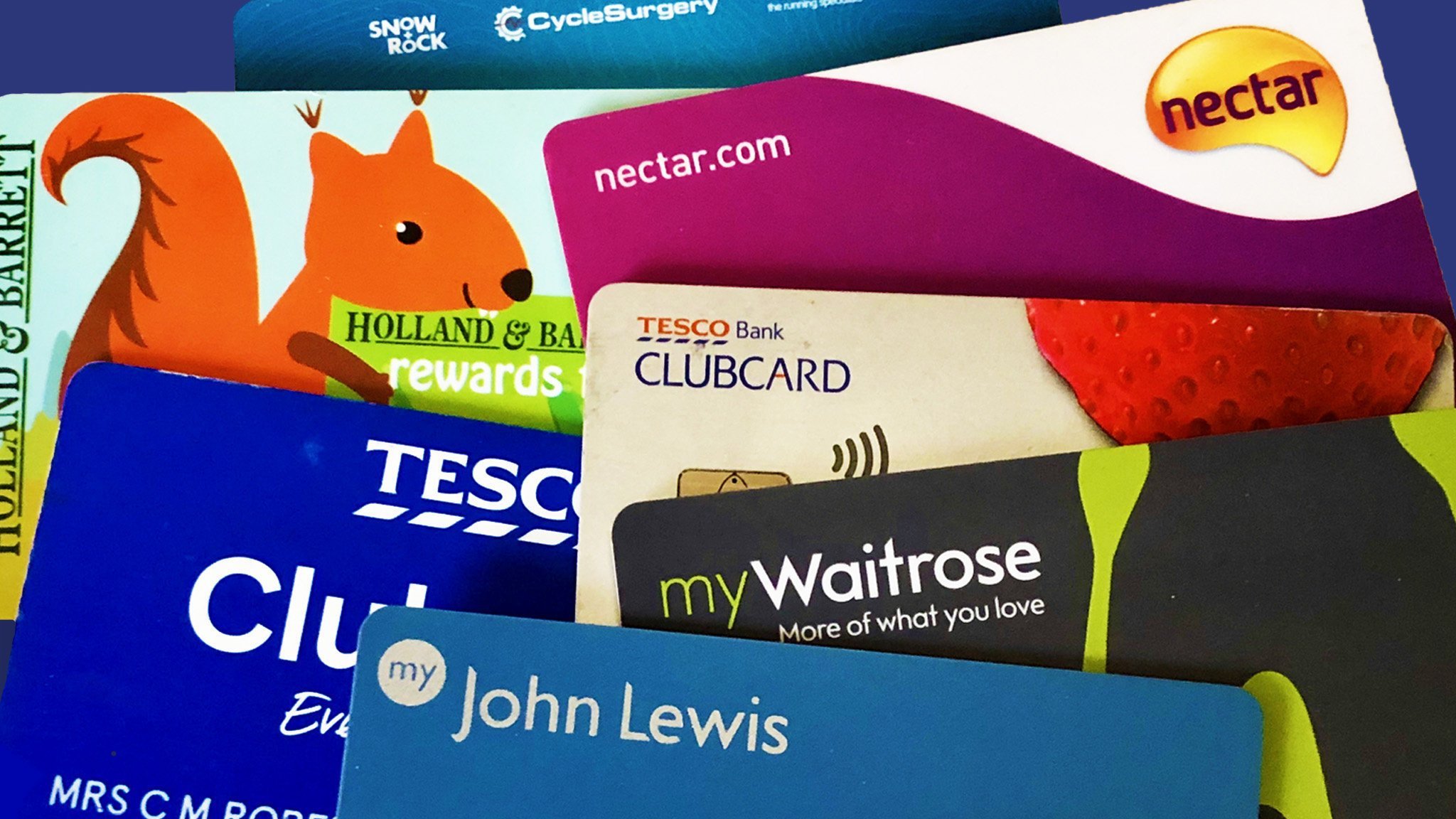
The best UK loyalty cards and discount apps: the short answer
The best loyalty card is usually the free one for a retailer you already use, not the programme with the biggest advertised reward. For a typical UK household, a practical starting set is the supermarket scheme for the shop you already do (Tesco Clubcard, Nectar, Lidl Plus, Asda Rewards, Morrisons More, Co-op Membership, M&S Sparks or My Waitrose), plus a health-and-beauty card if that is where you normally buy those products. Add food-and-drink apps only for habitual stops, and use a cashback site only when you have already chosen the retailer and checked the final price.
There is no permanent overall winner. A member price is an immediate reduction on a selected product; a points scheme provides a later voucher or reward; an app offer may require activation, a minimum spend or a particular product; and cashback is normally a tracked claim that can remain pending or fail. These are different types of value and should not be added together as if they were all cash. The most reliable saving is still buying the right item, in the right pack size, from the right retailer, at a price you were willing to pay before seeing the promotion.
This is a comprehensive comparison of widely available UK schemes, not a league table or personal financial recommendation. Programme terms, partner lists, promotions, participating branches, reward levels and exclusions can change quickly. It was researched against provider and UK authority pages on 11 September 2026. Check the live app, shelf label and terms before shopping; an offer displayed in an article, an email or a search result may no longer apply.
First, separate the four things often called “loyalty”
Calling every saving app a loyalty card makes comparisons misleading. The following categories answer different questions: whether the price is lower now, whether a future benefit is accumulating, whether a paid subscription can pay for itself, or whether an online retailer may later pay a commission-derived reward.
| Type | What happens | UK examples | The central question |
|---|---|---|---|
| Member-price scheme | Scanning a card or app unlocks a price on specified lines at checkout. | Tesco Clubcard Prices, Lidl Plus, Morrisons More Card Prices, Co-op member prices, Superdrug member prices. | Is the member price lower than the genuinely comparable alternative? |
| Points or stamps scheme | Qualifying spend or visits build a balance that later becomes a retailer reward, voucher or item. | Nectar, Boots Advantage Card, Waterstones Plus, Costa Club, Greggs App, Starbucks Rewards. | What must be bought, what does the balance buy, and when does it expire? |
| Offer or mission scheme | The account supplies targeted coupons, category challenges or spend thresholds. | Asda Rewards, M&S Sparks, My Waitrose vouchers, B&Q Club, Pets Club. | Would the basket meet the condition without changing the plan? |
| Discount membership or cashback tracker | A paid subscription gives access to defined discounts, or a third party tracks an online purchase and may later pay cashback. | Club Pret, Railcards, National Trust membership, Quidco, TopCashback, Airtime Rewards. | Will normal use exceed the fee or the opportunity cost, after exclusions and delays? |
A single brand can sit in several columns. Tesco combines Clubcard Prices, points and partner exchanges. M&S Sparks combines targeted rewards, a digital wallet and café stamps. IKEA Family has member benefits and a rewards element. A Railcard or a visitor membership is not a conventional loyalty scheme at all: it is a paid access product whose value depends on eligible journeys or visits. Keeping those distinctions in view prevents the common error of treating every announced “saving” as a cash discount.
The five questions that should precede any sign-up
- Where do I already shop or travel? A free card can be sensible, but a special journey, higher delivery charge or more expensive basket can erase its benefit.
- Is the value instant, delayed or conditional? A member price is immediate. Points, stamps, missions and cashback may depend on future action, a threshold, approval or a redemption date.
- What is the real comparator? Compare the same product, pack size and unit price, including delivery or collection costs. Compare an own-brand substitute too.
- What must I give or do? Consider an app, location or purchase-data trail, a marketing opt-in, a linked payment card, an annual fee, a subscription, or a minimum spend.
- Can I use the benefit before it expires? A reward with a short deadline, restricted redemption or a product you do not want may be worth little in practice.
At a glance: which UK schemes fit which routine?
The table is a shortlist, not a claim that every scheme is the cheapest in its sector. “Best for” means the kind of existing routine in which the mechanism can be useful. The final column flags the condition most likely to turn a seeming saving into extra spending.
| Scheme or app | Area | How it usually delivers value | Best fit | Watch-out |
|---|---|---|---|---|
| Tesco Clubcard | Supermarket | Member prices, points, Tesco vouchers and changing Reward Partner exchanges. | Regular Tesco shopper who will scan every shop. | Partner value and voucher deadlines; branded member prices are not always the cheapest basket choice. |
| Nectar | Supermarket / partners | Points and app-led offers across participating partners. | Sainsbury’s shopper or someone with relevant partner use. | Partner, earn and redemption conditions are changeable. |
| Lidl Plus | Supermarket | App coupons, Plus Prices and campaign rewards. | Existing Lidl shopper who can check and scan the app. | Activation, dates, limits and store/product availability. |
| Asda Rewards | Supermarket | Cashpot earned through selected products and missions, then converted to Asda vouchers. | Asda shopper whose planned basket naturally meets missions. | Cashpot is retailer value, not bank cash; avoid buying extra to finish a mission. |
| Morrisons More | Supermarket | More Card Prices, points, Fivers, boosters and personal offers. | Frequent Morrisons shopper, including eligible channels. | Qualifying channels and products, and thresholds for a Fiver. |
| Co-op Membership | Convenience grocery | Member prices, selected offers, local-cause choice and member participation. | Frequent participating Co-op convenience-shop user. | £1 joining fee and exclusions for some stores; compare convenience pricing. |
| M&S Sparks / My Waitrose | Food / retail | Personalised rewards or vouchers, café or treat benefits, and selected partner benefits. | People who already value the retailer’s range and shop there consistently. | Personalised offers vary; a reward redeemable only with that retailer is not cash. |
| Boots Advantage Card / Superdrug Health & Beautycard / H&B&Me | Health and beauty | Points plus member pricing or tailored offers, depending on the brand. | Regular purchaser of comparable toiletries, cosmetics or health products. | Promotional, pharmacy and product exclusions; compare ordinary prices first. |
| Costa Club / Greggs App / Starbucks Rewards | Food and drink | Beans, stamps or Stars alongside app offers. | Repeat customer making routine purchases. | Do not create a daily habit to earn an occasional free item. |
| Nando’s Rewards / Pret Perks | Restaurants | Visit or spend thresholds leading to restaurant rewards. | Genuine repeat visitor. | Minimum transaction rules, participating channels and reward expiry. |
| IKEA Family / Waterstones Plus / B&Q Club / Pets Club | Specialist retail | Member prices, points, emailed vouchers or targeted offers. | Planned, repeat or higher-value category shopping. | Email permission, product exclusions, delivery, concessions and marketplace exclusions. |
| Avios / Virgin Red | Travel and partner rewards | Points collected with partners and redeemed for travel or other rewards. | Traveller who understands a specific future redemption. | Availability, taxes or charges, and an uncertain point valuation. |
| Railcards / National Trust membership | Travel / attractions | Paid membership discounts or inclusive access. | Known eligible journeys or several planned visits. | Eligibility, restrictions, renewal and break-even arithmetic. |
| Quidco / TopCashback / Airtime Rewards | Cashback | Tracked online purchases or card-linked merchant offers, with later rewards. | Planned purchase at a merchant that is already competitive. | Tracking can fail; cashback is normally pending and may be removed after returns or breaches. |
| LoyalFree and independent shop cards | Independent retailers | Local QR-code stamps, offers and traditional paper stamps. | Supporting businesses already used locally. | Coverage and terms vary by town and individual business. |
Supermarket loyalty cards: where the largest routine savings often sit
For many households, grocery loyalty apps deserve the first place on the phone because the underlying spend is regular. The Competition and Markets Authority (CMA) found that loyalty pricing had become routine in grocery shopping. Its 2024 review of around 50,000 products found most dual-price promotions offered genuine savings against the retailer’s usual price, but it also found examples where another supermarket was cheaper. The CMA’s practical implication is sound: member prices can be useful, but they do not remove the need to compare the total basket and the unit price. See the CMA’s grocery loyalty-pricing review.
Tesco Clubcard: the most versatile Tesco option, not an automatic basket winner
Tesco Clubcard combines three separate benefits: Clubcard Prices on selected products; points that become Tesco vouchers; and an evolving selection of Reward Partner exchanges. Tesco’s programme page says 150 points convert to £1.50 in vouchers, and presently promotes selected partners at enhanced value. The exact partner list and the exchange rate for an individual partner should be checked immediately before converting, because both can change.
For a Tesco regular, the card is normally worth scanning even if no points strategy is planned. Treat Clubcard Prices as a price signal, not a recommendation. Compare the scanned price with the shelf’s unit price, Tesco own-brand alternatives and any equivalent size elsewhere. A larger branded multipack may look heavily reduced yet cost more per 100g, litre or item than the option already on the list.
Use the points decision separately from the grocery decision. A straightforward Tesco voucher can be sensible where it replaces a planned shop. A partner exchange may provide more stated value only when the partner item was already intended, is available for the required date, and is not cheaper through another promotion. Read both Tesco’s Reward Partner terms and the partner’s own booking, cancellation and expiry conditions. Do not convert a flexible voucher into a restricted code merely because the headline multiplier is appealing.
Nectar: broad points network, with live terms more important than a fixed “rate”
Nectar is particularly useful to people who already use Sainsbury’s and other participating partners. Its collector rules state that sponsors decide the transactions on which points are earned and the number awarded, and that participating companies and offers may change. The rules also say points themselves do not have an expiry date, but a redeemed voucher can have its own stated expiry. That distinction matters: do not assume a balance and a voucher have the same life.
The best Nectar routine is modest and deliberate. Review account offers before making the shopping list; activate only offers for normal purchases; identify the stated start and end date; and make sure the Nectar card or account is presented in the required channel. If a bonus applies through a payment card, a partner, or a particular online journey, follow that route exactly. Points can be reversed if the linked transaction is cancelled or reversed, so do not treat an initially displayed balance as spendable until the relevant terms allow it.
For an Avios collector, a Nectar-to-travel exchange can be attractive only after checking today’s conversion rules and a realistic redemption. There is no universal cash value for a travel point. A flight, hotel or voucher that is not actually needed has no budget-saving value, even if an online valuation says the theoretical return is high.
Lidl Plus: strong only when the app and its conditions fit the shop
Lidl Plus is app-led rather than a conventional points balance. Its value generally arrives through Plus Prices, digital coupons and time-limited campaign rewards. That can be effective for someone already doing a Lidl shop, but it creates several failure points: a coupon may need activation; it may have an end date, a one-use or quantity limit; and a selected product may not be available. The retailer’s Lidl Plus terms and conditions remain the authoritative source when the app and an older summary disagree.
Check the app before leaving home, not at the payment terminal. Add relevant discounts to an existing list and leave irrelevant brand coupons unused. Where a campaign asks for repeated spending, calculate the cost of the additional items you would buy merely to reach it. Perishable stockpiling is especially risky: a coupon is not a saving if food is wasted or a more suitable item is displaced.
Asda Rewards: useful Cashpot, but do the mission arithmetic
Asda Rewards describes two principal paths: buying selected products and completing missions such as shopping specified categories or hitting spending targets. Rewards accumulate in a Cashpot and can be converted into vouchers for qualifying Asda spending in store or online. Asda explicitly notes that Asda Pounds must be spent at Asda and that selected stores and products are involved; they are not a withdrawal from a bank account.
A mission is worthwhile when the planned shop already satisfies it. Before changing a basket, write down the total you would otherwise spend, the total required by the mission, the Cashpot amount, and whether the products are substitutes you genuinely prefer. If pursuing the mission requires an extra branded item, an earlier purchase or a larger shop, compare the additional outlay rather than the headline reward. Watch the app for the conversion and voucher conditions; George.com and other channels can have separate exclusions.
Morrisons More: good for repeat custom, especially when prices and offers overlap
Morrisons More brings together More Card Prices, personal offers, points, selected partner earning and points boosters. The programme page currently says that scanned cards earn five More Points on every product in stated channels and that 5,000 points can be converted into a Fiver. It lists in-store, online, selected Morrisons Daily, Groceries on Amazon, fuel and EV charging as areas to check, but a shopper should still read the live FAQs for product and channel exceptions.
It is worth using if Morrisons is already convenient. Select boosters only for brands and categories that are already in the routine, rather than selecting a high-priced brand in the hope of “earning back” part of the difference. A Fiver is a retailer reward, so compare it with any opportunity to obtain the underlying groceries more cheaply elsewhere. If paying online, use the account and card linkage specified by Morrisons; rules can differ from a physical-store scan.
Co-op Membership: convenience, participation and a small joining fee
Co-op Membership differs from most supermarket schemes because it has a £1 joining fee. Co-op says it gives that £1 back on the first in-store shop when a personalised offer is selected. The membership page describes lower prices on selected everyday essentials, chosen weekly offers, local-cause choice, member events and a member voice in how the co-operative is run.
This can be a useful convenience-store card rather than a reason to switch a main weekly shop. Its own footnote says member prices are unavailable at some independent co-operative societies, Co-op Live concessions, franchise stores and other specified outlets. Check the local store’s participation before relying on a price. For small top-ups, compare the total trip and the price of the essentials actually needed; a member offer on an extra treat can still increase the bill.
M&S Sparks and My Waitrose: reward-led alternatives for established shoppers
M&S Sparks is not a conventional universal-points card. M&S describes personalised offers that can earn money into a digital Sparks wallet, a café promotion in which six hot-drink stamps earn one free drink, birthday benefits and a charity donation when the card is scanned. It says Sparks credits are redeemable only at M&S and cannot be withdrawn as cash or used for certain items such as gift cards and travel money. That makes it most meaningful for a regular M&S food, clothing or home shopper, not as a reason to move a routine shop.
My Waitrose is best viewed as a club of vouchers and benefits rather than a spend-to-points programme. Waitrose currently advertises selected My Waitrose vouchers, “Little Treats”, a free self-serve hot drink subject to terms, selected counter savings and other benefits. The app helps users select vouchers. These can add value for a familiar Waitrose shop, but do not infer that every customer receives the same offers or that the overall basket beats alternatives.
Neither scheme needs elaborate optimisation. Join if the retailer is already a good match, keep the card available, scan it, and inspect the offer’s product, date and channel restrictions. If the offer invites a purchase that was not planned, ignore it. That is often the financially better use of a personalised promotion.
Iceland Bonus Card and the supermarket schemes you should not force
Iceland’s Bonus Card is a savings-card model rather than a points programme: money is loaded in advance for later Iceland shopping, subject to the current programme terms. It may suit a household deliberately budgeting for a known seasonal shop, but it is not a discount on a product already bought and should not be confused with a protected savings account. Review the current Iceland Bonus Card information and terms before loading money, including access, withdrawal, bonus and expiry rules.
It is also fine to have no loyalty card for a preferred supermarket. Aldi does not operate a comparable nationwide supermarket loyalty-card programme. A shopper should not switch from an otherwise cheaper or more convenient retailer merely to collect points elsewhere. Likewise, do not assume a delivery pass, a staff, student or key-worker discount, a credit-card reward or a fuel promotion is a loyalty scheme: each has its own eligibility, fee and restrictions.
Food, coffee and restaurant apps: rewards should follow the habit, never create it
Food-to-go apps make the reward feel tangible because it arrives as a free drink, item or restaurant treat. Their true value is often modest because they require multiple paid visits, have eligible categories, or are used alongside higher-margin add-ons. They are most defensible for a commuter, workplace routine or family restaurant pattern that already exists. A packed lunch, water bottle or home coffee will often save more than optimising any coffee stamp.
| Programme | Current published mechanism | Practical use | Key limitation to check |
|---|---|---|---|
| Costa Club | Beans for scans; Costa says ten coffee purchases unlock the next free drink, with app offers and reusable-cup extra Beans. | Scan on a routine visit and use a reward before its app deadline. | Eligible purchases, reward expiry, shop participation and the actual offer. |
| Greggs App | One stamp per eligible category purchase; nine stamps in a category lead to a free tenth item. | Useful for existing breakfast or lunch purchases. | Categories are separate and some products do not earn stamps. |
| Starbucks Rewards | Star collection per qualifying spend, with reward thresholds and a Gold tier described in the app and terms. | Use if Starbucks is the existing café choice. | Reward menu, Star expiry and whether the item is included. |
| Pret Perks | One app scan earns a star; ten stars make a Perk selected in the app. | Useful for repeat Pret purchasers who will use the offered treat. | One star is tied to a paid transaction and Perk choice/restrictions apply. |
| MyMcDonald’s Rewards | Points earned through the app at participating restaurants, with rewards unlocked at published thresholds. | Use code before an ordinary order. | Point expiry, changing tiers, app ordering and participating restaurant rules. |
| Nando’s Rewards | A Chilli is earned for an eligible £7-or-more daily order; rewards follow at stated Chilli milestones. | Useful for an existing Nando’s meal pattern. | One qualifying order per day, channels, and one-year reward expiry. |
Costa Club, Greggs and Starbucks: different units, same discipline
Costa Club says members earn Beans with every scan, receive a welcome Bean, earn an extra Bean for bringing a reusable cup and get a free drink after ten coffee purchases. It also lists personalised offers, a birthday benefit and Click & Collect. A regular who already buys Costa coffee can scan without altering the purchase; someone tempted to buy nine additional drinks for a tenth should treat the “free” drink as a marketing incentive, not a reason to spend.
Greggs says its app gives a stamp each time a qualifying category item is scanned, and that nine stamps in a category lead to a free tenth item. It identifies sandwiches, sweet treats, hot drinks and bakes as reward areas, while warning that some products are not eligible. It also advertises a sign-up hot or iced drink and a birthday sweet treat. Remember that a hot-drink stamp does not subsidise a bake; each category has its own progress.
Starbucks Rewards currently describes 10 Stars per £1, rewards beginning at 150 Stars, and Gold at 2,500 Stars, with extra qualifying drink customisations and a birthday drink for Gold members. This is a clear example of why live terms matter: the value is determined by the reward selected and current thresholds, not simply by the number of Stars. Scan or order through the app only when the menu choice and price would have been acceptable without the scheme.
Pret Perks and Club Pret: keep a free loyalty reward separate from a paid subscription
Pret Perks is free. Pret states that an app scan collects a star, ten stars earn a Perk, and the member selects from an in-app reward choice. Its page also says that a star is awarded for a paid transaction, excluding barista-made drinks redeemed with Club Pret. This makes Perks a conventional loyalty programme: it works best when the paid transactions were already going to happen.
Club Pret is a separate paid drink-discount membership. Pret’s current page states a £5 monthly subscription for 50% off up to five eligible hot or iced barista-made drinks per day, subject to participating shops, availability and exclusions; it says the discount cannot be used with another offer or discount. Do a personal break-even calculation before subscribing: divide the monthly fee by the saving on the exact drink normally bought, then ask whether that number of drinks would genuinely be bought every month. Cancel or pause in accordance with the current subscription terms if the routine changes. Do not include imagined future drinks in the calculation.
MyMcDonald’s Rewards and Nando’s Rewards: thresholds make frequency matter
MyMcDonald’s Rewards states that members earn one point for every penny spent on eligible menu items at participating restaurants, including app orders and qualifying kiosk, counter or drive-through orders when the app code is given first. The published page says rewards begin at 2,000 points and notes that points expire six full calendar months after they are earned under the updated rules. This is useful only if the user can realistically reach a reward before the relevant points expire; do not buy extra food just to prevent expiry.
Nando’s Rewards says a customer earns one Chilli per day when spending £7 or more on a qualifying Eat-in, Collect or Nando’s Delivery order, then obtains rewards at three, six and ten Chillies. It says rewards expire after one year. The “per day” condition means splitting or repeating transactions on the same day may not create extra progress; check the full terms. It can suit a household that already visits, but it is a poor reason to choose a more expensive restaurant or to add items to move a bill above the threshold.
Pharmacy, health, beauty and specialist retail: use points to reduce planned purchases
Health-and-beauty loyalty programmes can generate useful value for household staples, but this is also a category where a large-looking points offer can distract from a lower base price elsewhere. Products can change size, formulation, promotional status and eligibility. Prescription services and regulated medicines have their own rules, so never make a health decision on the basis of a reward. Compare suitable equivalent products and seek professional advice where appropriate.
Boots Advantage Card: valuable for Boots regulars, but confirm the individual promotion
Boots Advantage Card combines points with member-only Price Advantage offers and account-specific promotions. The main value for a Boots regular is convenience: scan or link the account on a routine purchase, load a relevant offer before checkout and later use the resulting points on something that was already needed. The benefit can vary materially by product and promotion, so do not rely on a historic points rate or an influencer’s screenshot.
Read the offer wording before attempting a threshold. Check whether a product is excluded because it is already reduced, belongs to a pharmacy, infant, prescription, gift-card or other restricted category, and whether an online order needs an account linked before checkout. Price-compare toiletries against supermarkets, pharmacies and other beauty retailers before deciding that extra points compensate for a higher ticket price.
Superdrug Health & Beautycard: points, member prices and category-specific extras
Superdrug Health & Beautycard currently advertises lower member prices, a points balance that can be used with cash, and £1 to spend for every 100 points. It also promotes member delivery conditions and a 10% NHS and student discount where valid identification and scheme terms apply. The relevant Health & Beautycard terms should be checked for the current VIP Rewards, eligibility, exclusions and stackability.
That combination can be valuable for an existing Superdrug shopper. However, do not assume a student or NHS discount automatically stacks with a member price, a voucher, clearance or a manufacturer promotion. Apply the price-check first, then scan the card. When using points and cash, confirm whether the promotion still applies after part-payment and whether points are earned on the cash portion only.
H&B&Me: a clear retailer-return if Holland & Barrett is already the right seller
Holland & Barrett’s former Rewards for Life programme is now H&B&Me. The provider says members earn four points per £1, 50 points can be used as 50p off, member prices and tailored offers are available, and a first-purchase bonus may apply under the current conditions. It says the scheme can be used in store, online and in the app. These published values make the arithmetic transparent, but only for a basket that was already appropriate and reasonably priced.
Do not use points or a member price to justify supplements, specialist food or personal-care products that are not wanted. Compare the per-unit price, product specification and delivery cost. If ordering online, be signed in, retain the confirmation and check the point history after fulfilment. Returns and cancelled orders may affect points under the terms.
Home, books, pets and other retail: schemes that reward planned category spending
Specialist-retail schemes are often most valuable on purchases that were already planned, because the member can compare a specific item and use the benefit without changing the basket. They are least valuable when a voucher creates a reason to start a DIY project, buy extra décor, place an unnecessary book order or add pet products beyond what the animal needs.
IKEA Family: free membership with discounts, benefits and activated rewards
IKEA Family is free to join. IKEA says members receive discounts, instant benefits and points which can unlock rewards, including savings on delivery, food and purchases. Its listed member benefits include food and purchase discounts, delivery and Click & Collect benefits, events and free tea or filtered coffee. The member must check the live offer and activate a reward voucher where required.
For a planned furniture or household purchase, scan or log in before checkout and compare delivery, collection and product availability. A member price can make IKEA the better choice, but do not drive to a distant store for a small food benefit or buy a larger item simply to reach a reward. IKEA also promotes a credit card: that is a separate credit product, not a harmless extension of a loyalty card. Only consider any credit agreement after reading its full costs and conditions; this guide does not recommend borrowing to obtain rewards.
Waterstones Plus: one of the clearer spend-to-credit schemes for book buyers
Waterstones Plus is free for eligible customers aged 16 and over. Its terms currently state that one stamp is earned per £10 spent on eligible UK purchases, with a half-stamp Single Book Bonus for certain £5–£9.99 purchases; ten stamps become £10 Plus Balance overnight. The balance can be spent with no minimum, subject to exclusions. Waterstones Plus Student adds an instant 5% discount on eligible purchases once student status is verified, according to the current terms.
The Waterstones Plus FAQ is especially worth reading because it explains dispatch timing, activation and the collection process. The terms exclude items such as gift cards, event tickets, postage and certain concessions, and restrict combination with some professional, group, publisher and UNiDAYS discounts. That is why “can I stack this?” should be answered from the current terms, not presumed at the till.
B&Q Club: email-led coupons work only when the project is real
B&Q Club provides money-off coupons, offers and other benefits after a member scans the card and registers to receive email rewards. B&Q currently promotes a £5-off-£30 welcome coupon and later coupons of 10% off or more, while making clear that minimum-spend requirements and exclusions apply. It also lists selected key-cutting and van-hire benefits.
The right way to use it is to price a defined project first. Build the necessary basket, compare like-for-like alternatives, then see whether a valid B&Q coupon reduces it. The programme page flags exclusions including some promotions, gift cards, delivery charges, orders made in store and verified-seller marketplace products. A coupon that causes an extra £10 of unneeded spend is not a £5 saving.
Pets Club: useful offers, but pet welfare sets the shopping list
Pets at Home Pets Club offers an initial 10% saving described on its page, regular targeted deals, pet birthday treats, advice and a charity mechanism. Its page says members must scan in store or sign in online to receive vouchers and recommends registering pets to receive more relevant offers. It also says that each £1 spent earns a Lifeline for the selected animal charity rather than a personal cash reward.
For a pet owner already using the retailer, this can be a low-friction add-on. However, do not switch food, medication, grooming or veterinary decisions to obtain an offer. Consult a veterinary professional about the animal’s needs; compare the suitable product and service on quality and total price. Vouchers may be personal, channel-limited or time-limited, so open each before purchasing.
Travel and leisure: points, discount cards and memberships are not interchangeable
Travel rewards are frequently overvalued because the saving is framed as a trip that might otherwise be unaffordable. Their real value depends on a specific route, date, availability, cash alternative and the charges payable alongside a points redemption. Paid rail and attraction memberships are easier to evaluate: compare the membership cost with the genuine eligible journeys or admissions expected before the expiry date. Do not purchase an annual product in the hope that future plans will appear.
Avios: collect with a redemption in mind, not an abstract pence-per-point target
Avios is a reward currency that its official site says can be collected with thousands of partners and spent on flights, hotels, car hire, experiences and other rewards. Its current partner pages show that collection opportunities and rates can change, and its examples combine Avios with cash. That means an Avios balance should not be counted as a fixed amount of money.
Use Avios where it supports a realistic future trip or a redemption whose all-in cost and terms are understood. Check the route, availability, taxes, fees, cancellation rules, transferability and the cash price you would actually pay. Do not make a more expensive purchase or accept a worse cash discount merely to earn a small number of points. When deciding between an Avios shopping portal and a cashback site, compare today’s cash price and the reward terms; cash and travel points are not directly interchangeable.
Virgin Red: flexible points, but still a closed reward currency
Virgin Red says it is free to join, lets members earn Virgin Points with Virgin and partner brands, and allows points to be spent on rewards. It says points do not expire. That may make it simpler for an occasional collector than a scheme with a short inactivity deadline, but it does not create a guaranteed cash value. Check the particular reward’s availability, points cost, booking restrictions and relevant supplier terms before collecting or spending for a purpose.
A traveller can also encounter airline, hotel and car-hire schemes such as British Airways Club, Virgin Atlantic Flying Club, Hilton Honors, Marriott Bonvoy, IHG One Rewards and ALL – Accor Live Limitless. They may offer points, member rates, status benefits or partner earning. They are sensible to join before a qualifying booking when free and useful, but they should not determine the hotel or flight choice unless the total flexible price, location, cancellation terms and service are already suitable.
Railcards: a paid travel discount that needs a break-even calculation
A Railcard is a discount card, not a reward for loyalty. The official Railcard guidance says there are nine types, with eligibility depending on factors such as age and travelling companion, and that a Railcard can give up to one-third off rail tickets across Great Britain. It lists one- and three-year validity and says each product has its own terms. The Disabled Persons, Veterans, age-based, Family & Friends, Network and Two Together products have different rules.
Before buying, look up the precise eligible fare for at least two or three journeys you expect to make. Use the actual Railcard price, minimum-fare restrictions, time restrictions, companion requirements and expiry date. A Railcard can be excellent value for predictable travel, but no saving results from a journey that would not otherwise happen. Carry the valid digital or physical Railcard when travelling with a discounted ticket and check the conditions for a replacement if a device fails or a card is lost.
National Trust and similar visitor memberships: calculate visits, not sentiment alone
National Trust membership currently includes entry to more than 500 places in its care and parking at most National Trust car parks, alongside publications and other benefits. It is a charitable membership as well as an access product, so support for the organisation may be part of the decision. For a pure money comparison, calculate the admissions and parking you realistically expect to use during the membership period, then compare that total with the subscription and any relevant family or joint option.
The same reasoning applies to English Heritage, Historic Environment Scotland, RHS membership, zoo passes, cinema subscriptions, museum supporter schemes, sports-club memberships and theatre membership programmes. Benefits can include booking windows, parking, guest passes or discounts, but there may be blackout dates, advance booking, venue exclusions or renewal conditions. Read the organisation’s current page before paying and set a reminder before auto-renewal if applicable.
Cinema and entertainment rewards: partner value is useful only for a real outing
Entertainment value often comes from a supermarket conversion rather than a cinema’s own programme. Tesco currently lists Cineworld among its Clubcard Reward Partners, alongside restaurants, attractions, hotels, car services and travel-related partners; the Tesco Clubcard Reward Partner FAQs should be checked before exchange. The exchange can be appealing where tickets were already intended, but it can be poorer than another cinema’s ordinary ticket, a weekday deal, a family offer or a streaming choice.
ODEON Extras, Vue offers, Picturehouse Membership, Cineworld Unlimited and other cinema products differ fundamentally: some are free point or offer programmes, while others are recurring subscriptions. Do not compare a free ticket from a points balance with a subscription’s headline “unlimited” value without calculating the exact monthly cost, minimum term, local cinema participation, booking fees, premium-format supplements and realistic visits. Never use a points conversion solely because it is about to expire if the outing would not otherwise be wanted.
Cashback apps and sites: a tracked purchase is not the same as a discount
Cashback is often described as “money back”, but its workflow is different from a member price. An affiliate site or app directs a shopper to a retailer; the retailer may later validate the transaction and pay the tracker a commission; the tracker then credits the member if the conditions have been met. The amount can track, remain pending, become payable, be adjusted or be declined. It is sensible to regard cashback as a possible later rebate, not money already saved at checkout.
Quidco and TopCashback: compare first, then start a clean tracking journey
Quidco’s help centre provides articles on cashback statuses, untracked purchases and claims. TopCashback’s help centre similarly covers starting cashback, tracking, payment and broken links. These official help pages demonstrate the key point: tracking is a process with possible exceptions, not an instant contractual price reduction on every click.
For a planned online purchase, first compare the retailer’s final delivered price directly and through any legitimate alternatives. If the cashback retailer remains the best option, log in to one cashback service, read the merchant’s specific terms, click through, accept necessary cookies, avoid changing devices or opening competing referral tabs, and complete the purchase in that session. Save the order confirmation, the date, the order number and a screenshot of the rate and terms. Do not assume unlisted voucher codes, gift cards, returns, exchanges, finance agreements, insurance types, app purchases or phone orders will track; the merchant page controls.
Only pursue a missing-cashback claim through the service’s stated process and within its deadline. Keep the retailer purchase evidence. If an item is returned or cancelled, expect cashback to be reduced or removed. Do not choose a retailer with a higher upfront price on the basis of cashback unless the eventual, conditional rebate still leaves it better value and you are willing to wait for it. Never borrow or overspend to trigger cashback.
Airtime Rewards: card-linked offers with mobile-bill and other redemption routes
Airtime Rewards is a card-linked programme rather than a click-through shopping portal. Its official terms say an adult user can link eligible Visa or Mastercard debit or credit cards and/or a bank account via open banking, spend with participating merchants or access offers, then redeem completed rewards in methods available in the app. These can include credit towards an eligible mobile bill, and the app may list other options.
The trade-off is convenience versus data access. The terms say pending rewards can take roughly 30 to 180 days depending on the merchant and may be removed if a transaction is returned, invalidated or does not settle. They also say rewards may expire after at least 180 days of account inactivity, redemption routes and values can change, and a fee may apply for some redemption methods. Link a card only after reading the privacy notice and terms, enable strong app security, and check whether your mobile network and desired redemption are currently supported. Do not treat a linked-card offer as a reason to use a more expensive merchant.
Cashback via bank or credit products: pause before treating it as a loyalty perk
Some current accounts, debit cards, e-money apps and credit cards advertise cashback or merchant offers. These can involve a regulated financial product, a payment account, borrowing, an annual fee, a direct-debit condition or eligibility checks. This guide is general information, not a recommendation to open an account or take credit for rewards. The Financial Conduct Authority explains that its Financial Services Register can be used to check a firm and its permissions for regulated activities.
Use cashback as a secondary feature after deciding whether the underlying account or credit product is suitable on costs, features and repayment risk. With a credit card in particular, interest or fees can overwhelm a reward. Do not spend more or carry a balance to obtain points or cashback. If you are considering a financial product, read the provider’s representative example, terms, eligibility and complaint route, and use impartial guidance such as MoneyHelper’s budgeting guidance.
Independent retailers and local loyalty: the overlooked value is local relevance
Independent cafés, farm shops, bookshops, hairdressers, pubs, gyms, market traders and local services often run paper stamp cards or simple digital schemes. Their reward can be more relevant than a national app because it is tied to a business genuinely used nearby. The limitation is equally important: every business sets its own threshold, expiry, qualifying spend and closure policy. A filled stamp card may have little recourse if the business changes hands or stops the programme, so do not prepay a large amount solely for a future reward.
LoyalFree is one example of a place-based app. It says users can find nearby businesses, claim discounts and collect QR-code loyalty stamps, with available offers depending on the participating location and business. It is worth checking in a town where it is active, but it should not be presented as universal UK coverage. Local business improvement districts, market apps and town-centre campaigns use similar models and may be seasonal.
For a local scheme, ask four quick questions at the first visit: what earns a stamp; what reward is offered; when does it expire; and can it be combined with a normal promotion? Photograph or retain any paper card only if the operator permits it, and do not share a QR code or account in a way that breaches the terms. If a neighbourhood business is the preferred option on service and quality anyway, the card is a pleasant extra—not the core reason to spend.
Personalised pricing, data and privacy: the non-cash side of membership
Loyalty membership gives a retailer a way to link transactions to an account. The Information Commissioner’s Office (ICO) notes that loyalty-card users may share information about where they shop, typical spend and what they buy, including food, drink, pharmacy and healthcare products. Read the ICO’s explanation of loyalty-card data. The return may be genuinely useful personalised vouchers, but it is still a data exchange rather than a cost-free feature.
UK data-protection law gives people rights, including rights to be informed about processing and, in appropriate circumstances, to access, correct, erase, restrict or object. The exact right and response depend on the situation. The official GOV.UK data-protection guidance directs people to the ICO for advice or complaints. This is general information rather than legal advice, but it is sensible to read a programme’s privacy notice before joining.
A privacy and security setup that preserves the useful benefits
- Use a unique password for each important retailer or cashback account, ideally stored in a reputable password manager. Turn on multi-factor authentication when offered.
- Give the minimum necessary details. Do not add optional profile, household, health or location data merely because an app invites it. Use accurate information where verification or eligibility requires it.
- Separate membership from marketing where possible. Review email, push-notification, SMS, profiling, cookie and third-party marketing controls. Membership may continue even if promotional channels are reduced, but check each provider’s terms.
- Review linked payment methods. Remove cards from unused apps and, before using card-linked cashback, understand what transaction information is received and how long it is retained.
- Check account activity and reward balances. Report unfamiliar redemptions, changes of email or unauthorised card links promptly through the provider’s official contact route.
- Keep a small active set. The fewer dormant apps holding personal and transaction data, the easier it is to manage privacy settings, expiry and security.
Personalisation is not necessarily bad: receiving money off a regular product can be useful. The sensible boundary is not allowing the algorithm to decide the grocery list. An offer based on previous buying is an invitation, not evidence that the product is the best value today.
Expiry, exclusions, stacking and returns: the rules that determine real value
A headline reward is only as valuable as the rules beneath it. Check them at three points: when joining, immediately before a qualifying purchase, and immediately before redeeming. This matters more for schemes that combine points, member prices, payment-card offers, vouchers and third-party partners.
| Rule to check | Why it changes the result | What to do |
|---|---|---|
| Activation | A coupon, booster or mission may not apply unless activated before payment. | Activate relevant offers while making the list and screenshot the terms if useful. |
| Date and time | Offers can expire on a stated day or end while the basket is still being prepared. | Check the app and shelf label on the purchase day. |
| Product, pack and channel | A promotion may exclude particular flavours, sizes, alcohol, marketplace goods, delivery, franchises or partner orders. | Read the precise product description and whether it applies in store, online, Click & Collect or delivery. |
| Minimum spend and quantity limit | Extra spend can exceed the value of a voucher; multibuys can raise unit cost. | Calculate the additional spend, not just the voucher face value. |
| Stacking | A retailer can limit use with another voucher, student discount, staff discount, gift card, cashback click-through or subscription. | Use only combinations expressly allowed in current terms. |
| Expiry and inactivity | Points, vouchers, restaurant rewards and cashback balances can have different deadlines. | Set a calendar reminder and redeem naturally; never force a purchase to “rescue” a small balance. |
| Returns and cancellations | Points and cashback may be reversed after a refund, cancellation or payment failure. | Do not spend a pending balance and retain receipt/order evidence. |
| Account sharing | Some programmes restrict cards, vouchers, family members or transfers. | Read household and additional-card rules instead of sharing credentials. |
“Stacking” can be legitimate when a retailer expressly permits a member price plus a manufacturer coupon, cashback or a payment offer. It can also invalidate cashback or breach terms if an unapproved code, app or referral route is used. Never assume that a cashback website and an external voucher code will work together. Start with the merchant’s cashback page, which usually says which codes are eligible, and choose the better of the certain upfront price and the conditional rebate.
On returns, do not keep an item merely to preserve points. Consumer return rights depend on how and where an item was bought and the circumstances; a loyalty reward does not remove statutory rights, but it may be reversed on a valid refund. For general help with a consumer issue, consult Citizens Advice consumer guidance rather than relying on a retailer’s social-media reply.
The mistakes that make rewards programmes poor value
- Shopping the offer rather than the list. A discount is only a saving compared with not buying it or buying an equivalent more cheaply.
- Ignoring unit price. “Member price” and “save £x” labels do not answer which pack has the lowest cost per 100g, litre, wash or item.
- Chasing a threshold. Adding £8 of unwanted goods to trigger a £5 voucher is an increase in spending.
- Valuing points at their most glamorous redemption. A travel or partner reward only has that value if it replaces an actual planned purchase with acceptable availability and terms.
- Confusing cashback with a checkout discount. Pending cashback can track late, be declined or be reversed after a return.
- Paying a subscription without a realistic diary. A coffee, cinema or attraction membership should be tested against genuine use, not aspirational visits.
- Forgetting expiry. A small scheduled review is better than a last-day panic purchase.
- Using borrowing to collect rewards. Interest, fees and debt risk can eclipse points many times over.
- Accumulating too many accounts. Unused apps increase marketing noise, data exposure and the chance of missed terms or compromised credentials.
- Letting personalised offers choose the brand. Targeted does not mean cheapest, healthiest or most suitable.
A practical setup: the minimum-effort system that works
The objective is not to become a full-time deal tracker. It is to capture easy value from normal spending, protect personal data and avoid reward-led purchases. Start with a small set, assess it after a month or two, and remove accounts that create clutter without lowering ordinary costs.
Set up once
- Choose your core retailers. Pick the supermarket or convenience stores you use, one health-and-beauty retailer if relevant, and the genuine food, travel or specialist brands you revisit.
- Download only the core apps. Add their digital cards to the phone wallet where available, or keep a compact folder of physical cards. Do not install an app only for a speculative welcome voucher.
- Read expiry and redemption rules. Note whether the benefit is a price, points, retailer voucher, partner code, travel currency or cashback. Write down any fee, renewal date or inactivity deadline.
- Set privacy preferences deliberately. Keep essential account messages, decide separately about marketing, and review ad and location controls. Use secure passwords and multi-factor authentication.
- Create one cashback record. If using cashback, decide which service you will check first. Save order confirmations and do not open multiple competing portals for the same transaction.
Before each shop, order or booking
- Write the shopping list or identify the exact product, journey, meal or outing first.
- Open the relevant retailer app and activate only offers that match that plan.
- Compare the final price: member price, own-brand substitute, unit price, competitor price and delivery/collection cost where relevant.
- Check the offer’s date, channel, product size, quantity cap and minimum spend.
- For online purchases, choose between a permitted code, an upfront retailer offer and a cashback route based on the certain final cost and the conditional value.
- Scan the correct card or app before payment, then inspect the receipt or order confirmation while a correction is still practical.
Once a month or quarter
- Review points, vouchers, Beans, stamps and cashback for upcoming natural expiry.
- Redeem only against something planned, rather than spending to use a voucher.
- Remove inactive payment cards and close or de-prioritise accounts that generate only marketing.
- Check paid memberships against actual use and follow the provider’s cancellation or renewal process if they no longer break even.
- Look at the total grocery or discretionary-spending budget, not only the rewards balance. MoneyHelper’s free tools can help make the broader budget visible.
How to choose the best scheme for common UK situations
| Situation | Good first move | What not to do |
|---|---|---|
| Mainly one supermarket | Join that supermarket’s free programme, scan consistently and compare member-price lines to alternatives. | Switch the whole basket for a points offer without comparing the total weekly cost. |
| Several supermarkets for different staples | Keep digital cards for the stores already on the route; compare only the items that materially affect the basket. | Drive between stores for a tiny points difference that costs time, fuel or transport. |
| Convenience-store top-ups | Use Co-op membership or a relevant local card where the shop is genuinely convenient. | Assume a member price makes the entire convenience basket cheaper. |
| Regular Boots, Superdrug or H&B purchases | Join the matching free card and use points against planned repeat purchases. | Buy premium products or larger quantities merely for a points multiplier. |
| Daily coffee or lunch stop | Use the one app for the existing café or food routine and scan every time. | Visit extra times to finish a stamp card; the “free” item is paid for by the added visits. |
| Planned furniture, books, DIY or pet purchase | Join IKEA Family, Waterstones Plus, B&Q Club or Pets Club before checkout, then price the exact basket. | Let a welcome coupon choose the retailer or increase the project budget. |
| Frequent rail travel or attractions | Calculate known journeys or visits against the exact membership cost and terms. | Buy an annual discount card based on hoped-for travel. |
| Online one-off purchase | Compare retailers first; then use one permitted cashback route if it is still best. | Assume tracked cashback is guaranteed or combine unapproved voucher codes. |
| Privacy-sensitive shopper | Use a limited core set, minimise optional data, decline marketing where possible and read privacy notices. | Link cards or grant permissions without understanding the data and redemption trade-off. |
The bottom line
Join the free loyalty schemes for the retailers and services you truly use; scan them consistently; and let a written shopping, travel or leisure plan decide the spend. Tesco Clubcard and Nectar are broad supermarket starting points; Lidl Plus, Asda Rewards, Morrisons More and Co-op Membership are useful where those are already your stores; M&S Sparks and My Waitrose add targeted food-and-retail benefits; Boots, Superdrug and H&B&Me can work for planned health-and-beauty purchases; and Costa, Greggs, Starbucks, Pret, McDonald’s and Nando’s work only when they follow a real repeat routine.
For specialist shopping, IKEA Family, Waterstones Plus, B&Q Club and Pets Club can be worthwhile additions before a planned purchase. For travel, Avios and Virgin Red reward a well-understood future redemption, while Railcards and National Trust membership should be evaluated as paid-access products. For online shopping, Quidco, TopCashback and Airtime Rewards are conditional rebate tools, not guaranteed price reductions.
The best result is modest but repeatable: lower costs on things you would have bought anyway, no debt, no forced purchases, no forgotten subscription and no more data sharing than you are comfortable with. Check current terms each time the saving matters.
Sources and further reading
The programme links below are primary provider pages; promotions and partner lists can change, so use them to verify a live offer. The CMA, ICO, FCA, GOV.UK, Citizens Advice and MoneyHelper links provide independent UK context on price comparisons, data and consumer or financial questions.
- Supermarkets: Tesco Clubcard; Nectar collector rules; Lidl Plus terms; Asda Rewards; Morrisons More; Co-op Membership; M&S Sparks; My Waitrose; and Iceland Bonus Card.
- Food and drink: Costa Club; Greggs Rewards; Starbucks Rewards; Pret Perks and Club Pret; MyMcDonald’s Rewards; and Nando’s Rewards.
- Health and specialist retail: Boots Advantage Card; Superdrug Health & Beautycard; H&B&Me; IKEA Family; Waterstones Plus; B&Q Club; and Pets Club.
- Travel, leisure and local: Avios; Virgin Red; Railcard; National Trust membership; Tesco Clubcard Reward Partner FAQs; and LoyalFree.
- Cashback: Quidco Help; TopCashback Help; and Airtime Rewards terms.
- UK consumer and privacy context: CMA grocery loyalty-pricing review; ICO loyalty-card data guidance; GOV.UK data-protection guidance; Citizens Advice consumer guidance; MoneyHelper budgeting guidance; and FCA Financial Services Register.