

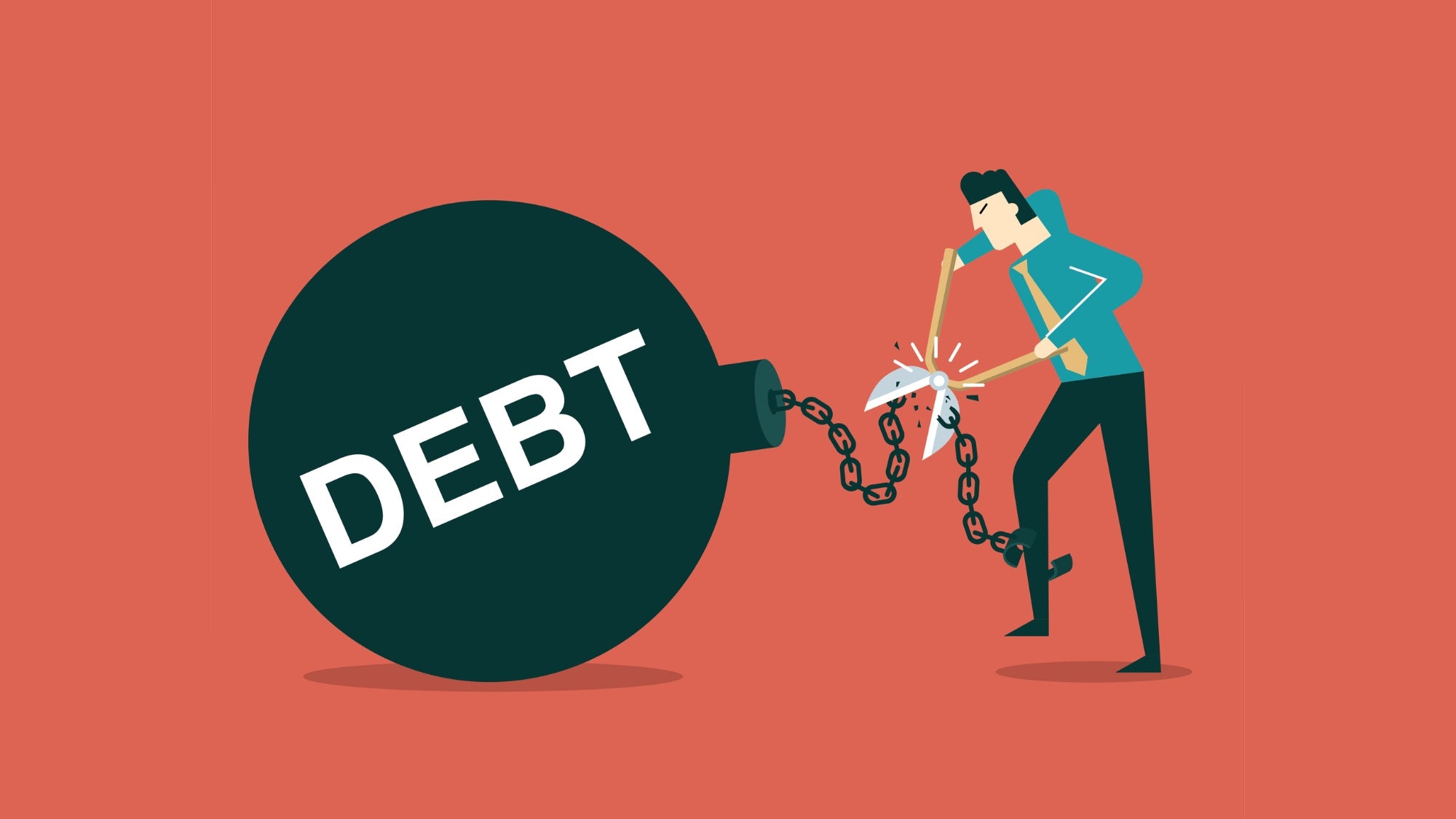
Debt snowball vs debt avalanche: a practical UK guide
If you can cover your essential living costs, keep up with the payments you have agreed and have some money left to overpay unsecured borrowing, a repayment order can make the job feel manageable. The debt snowball clears the smallest balance first. The debt avalanche directs the overpayment to the highest interest rate first. In both, you continue the required payment on every other debt and move the payment freed up by a cleared balance to the next target.
Neither label is a debt solution, a legal right or a substitute for speaking to creditors when payments are unaffordable. They are budgeting techniques for a situation in which there is a genuine, sustainable surplus after priority bills and agreed debt payments. This distinction matters: choosing a credit-card target while rent arrears, Council Tax, energy arrears or a court matter is unresolved can make a difficult position worse.
This is general information for a UK reader, not personal financial, legal or debt advice. Debt rules and formal solutions differ across the UK, and lender terms, interest rates and repayment arrangements change. The source links below were checked on 11 September 2026; check current terms and obtain free debt advice before changing an arrangement.
The essential difference
| Method | Order for the overpayment | What stays the same | Main strength | Main trade-off |
|---|---|---|---|---|
| Snowball | The smallest outstanding balance first. | Keep making each contractual minimum payment, or the payment in an agreed arrangement, on every other debt. | Early account closures can make progress more visible. | A higher-rate debt may remain outstanding longer, so total interest will usually be higher than under an avalanche with the same payments. |
| Avalanche | The debt with the highest current interest rate first. | Keep making each contractual minimum payment, or the payment in an agreed arrangement, on every other debt. | It usually reduces interest cost and clears the overall set of debts sooner when the payment amount is the same. | The first fully cleared balance may take longer, which can make the plan harder to sustain for some people. |
National Debtline describes the same starting point for both approaches: build a realistic household budget, meet the payments due on all debts, then send the surplus to the selected target. It also cautions that these methods are not appropriate if you cannot afford those payments. See its snowball guide and avalanche guide for the underlying method explanations.
Safety first: do not let a repayment tactic override priority debts
Put urgent and priority problems ahead of the queue
“Priority” does not mean the largest balance or the highest APR. It means that non-payment can have especially serious consequences. MoneyHelper lists examples including rent or mortgage arrears, Council Tax or Rates, gas and electricity, court fines, child maintenance, tax, National Insurance and VAT. Essential hire-purchase payments can also be priority debts. The exact priority and action depends on the facts and where you live, so use MoneyHelper’s debt-prioritisation guidance or a qualified adviser rather than applying a generic order.
Seek free advice urgently if you face eviction or repossession risk, disconnection, court action, enforcement-agent action, or cannot meet a priority payment. Do not take money from a priority bill merely to create a snowball “win” or an avalanche saving. MoneyHelper specifically categorises court action, bailiff action, disconnection and eviction for rent or mortgage arrears as debt emergencies.
Test affordability before choosing an order
Use actual figures, not a hopeful estimate. Start with income that is reliably available, then essential household costs, priority payments and every debt payment due. Include irregular but predictable costs such as insurance, school costs, repairs, seasonal spending and an allowance for genuine emergencies. MoneyHelper’s free Budget Planner asks for income and outgoings and recommends having payslips, statements, bills and banking-app information to hand.
If the result is no surplus, or you cannot make the payments due, do not force a snowball or avalanche by skipping another account. Contact creditors and obtain advice. A repayment order only works when it reflects what you can continue to pay, not when it relies on repeated shortfalls or more borrowing.
How to run a debt snowball
The snowball is a behavioural strategy. It turns the available overpayment towards the smallest balance, regardless of rate, while all other accounts receive their due payment. Clearing that first account releases its regular payment; add that amount to the next-smallest balance. The amount aimed at one debt therefore grows as accounts disappear.
- Make a complete debt list. Record creditor, balance, current interest rate, due date, required payment, any arrears, whether the debt is secured, and the end date of any promotional rate. Check statements rather than relying on memory.
- Separate priority and non-priority debts. Resolve or get advice on priority issues before using this method for the remaining debts.
- Confirm your safe monthly overpayment. It is the amount left after essential expenditure and all payments you must make, not the amount you would like to find.
- Sort eligible debts by balance. Target the smallest balance. Continue every other required payment on time.
- Roll the payment forward. Once the target shows as settled, redirect the former required payment plus your original overpayment to the next smallest balance. Check for a final statement or closure confirmation where appropriate.
- Review after a change. Recalculate if income, a bill, an interest rate, an introductory offer or a repayment arrangement changes.
The potential benefit is psychological rather than mathematical: a cleared account may reduce administration and provide evidence that the plan is working. It may suit someone who has abandoned more efficient plans because a first target felt too distant. Its cost is that it can leave expensive borrowing accruing interest while smaller, cheaper balances are cleared. The gap can be material, but it cannot be estimated reliably without current balances, rates, payment rules and any fees.
How to run a debt avalanche
The avalanche uses the same cash-flow mechanics but a different ranking. After required payments, direct the overpayment to the eligible debt with the highest current interest rate. When it is cleared, move the entire released amount to the remaining debt with the next-highest rate.
- Prepare the same complete and up-to-date list of debts and payment dates.
- Set aside priority debts and any account covered by a specific arrangement unless an adviser tells you otherwise.
- Sort the remaining debts by their current rate, highest first. Check whether a temporary 0% or reduced rate has an end date; the order may need to change later.
- Pay the due amount on every debt, then apply the whole planned overpayment to the top-ranked account.
- When that debt is cleared, add its former payment to the next account and repeat.
Because interest is generally avoided fastest by reducing the highest-rate balance, National Debtline says the avalanche is usually the quickest and cheapest way to clear debts without further borrowing. However, “usually” is important. Fees, promotional terms, a change in rate, a debt that is nearly settled, and whether you will actually maintain the plan can alter the result. Read the agreement and your current statement; do not assume the advertised rate is the one applying to your balance.
A simple way to see the difference
Imagine you have already protected priority payments and can make all required payments. Your list has three eligible non-priority debts: one has the smallest balance, a different one has the highest current rate, and a third is neither. Under snowball, the smallest balance receives the extra money first. Under avalanche, the highest-rate balance receives it first. If one debt is both the smallest and highest-rate debt, both methods begin in the same place.
| Question to ask | Snowball answer | Avalanche answer |
|---|---|---|
| Which account receives this month’s extra payment? | The one with the lowest balance. | The one with the highest current interest rate. |
| What happens when it is cleared? | Move the old payment and the extra payment to the next-lowest balance. | Move the old payment and the extra payment to the next-highest rate. |
| When should the ordering be checked again? | After settlement and whenever payments, balances or circumstances change. | After settlement and whenever rates, promotional periods, payments, balances or circumstances change. |
Do not compare methods by looking only at the monthly repayment. Compare the whole plan using accurate dates, rates, minimum-payment calculations and fees. If you use a calculator, treat its output as an estimate and verify its assumptions against each creditor’s statement. A free debt adviser can help assess whether the payments and ordering are realistic.
Choosing the method: cost, motivation and complexity
| Your situation | A reasonable starting point | Important safeguard |
|---|---|---|
| You can make all required payments and want to minimise interest. | Consider the avalanche, using current rates. | Review temporary rates and fees; do not make a costly credit transfer just to rearrange the list. |
| You can make all required payments but repeatedly lose momentum. | Consider the snowball, while acknowledging it will usually cost more than an avalanche. | Keep the overpayment fixed and track each cleared balance so the freed payment is not absorbed by spending. |
| You are only just managing and a 0% period ends soon. | Check the creditor’s current terms and seek advice if the post-offer payment will not be affordable. | Do not assume you will qualify for another offer; balance transfers can involve fees and acceptance is not guaranteed. |
| You have missed payments, are in arrears, or cannot meet priority bills. | Pause the DIY ranking and obtain free debt advice. | Contact the creditor promptly; a formal solution or agreed arrangement may be more appropriate. |
A hybrid can be sensible only if it remains clear and affordable. For example, some people clear one very small balance to simplify administration and then use avalanche ordering. Call it a conscious exception, write it down and then return to the rule. Constantly switching targets because of a tempting balance is not a plan.
Make either method robust in real life
Protect every due date
Set reminders or use an account’s payment facility only after checking that the date and amount are correct and there is enough money in the account. Keep a simple tracker with the payment date, scheduled amount, balance, rate, promotional end date and target rank. Check it against statements each month. If a creditor has agreed a different payment arrangement, follow that agreement rather than an internet repayment template.
Keep borrowing from undoing the plan
New spending on a card or a fresh loan can conceal whether the balance is falling. Where possible, stop using accounts being repaid and avoid borrowing merely to make the plan look successful. Before consolidating or transferring debt, compare the full cost, fees, promotional end date, repayments and the risk of running up the old account again. It is not safe to assume a transfer will save money or that you will be accepted.
Contact creditors early if the plan breaks
If a payment will be missed, contact the creditor rather than waiting for the problem to escalate. For regulated consumer-credit agreements, FCA rules require firms to treat customers in or approaching arrears or default with forbearance and due consideration, taking individual circumstances into account. The FCA gives examples that can include suspending, reducing, waiving or cancelling further interest or charges where appropriate; that is not an automatic entitlement and the right outcome depends on the case. See FCA CONC 7.3.
When to stop and get debt advice
Get free, confidential debt advice now rather than trying to optimise an order if any of the following applies. An adviser can look at your full household budget, debts, assets and location, and explain options without assuming that snowball or avalanche is the answer.
- You have no money left after essential costs, or cannot afford all payments due.
- You have rent or mortgage arrears, a threat of eviction or repossession, an energy-disconnection issue, Council Tax enforcement, a court deadline, a fine, or enforcement-agent action.
- You have received a claim form, statutory demand or other legal paperwork, or are unsure what it means.
- You are relying on credit for food, housing, energy or other everyday essentials.
- A creditor is not taking your financial difficulty into account, you dispute the debt, or you believe the balance is wrong.
- You are considering an IVA, bankruptcy, a Debt Relief Order, a Debt Management Plan, a Scottish Debt Payment Programme or another formal arrangement.
For England and Wales, GOV.UK explains that Breathing Space may provide temporary protection while you get advice and make a plan, subject to eligibility and limits. GOV.UK states that standard protection can last up to 60 days, but repayments still need to be made. It must be arranged through a debt adviser; do not assume it applies to every debt or situation. Scotland and Northern Ireland have different arrangements, so use a service that covers where you live.
MoneyHelper’s Debt Advice Locator can help you find free, confidential advice online, by phone or in person. GOV.UK also maintains a free debt-advice directory and points to separate routes for Scotland and Northern Ireland. Check current opening hours, coverage and eligibility directly with the provider before you contact it.
Complaints and fair treatment
Keep statements, letters, screenshots of messages, call notes and records of any payment agreement. If you think a lender or debt collector has made an error or handled you unfairly, complain to the business first and state the outcome you want. The Financial Ombudsman Service’s debt-collection guidance explains the kinds of evidence and circumstances it considers for complaints within its remit. Its jurisdiction and time limits can vary, so check the current consumer guidance and do not delay responding to court papers while pursuing a complaint.
A monthly checklist
- Update every balance, due date, rate and promotional end date from current statements.
- Confirm that priority bills and any agreed arrangements are covered before making an overpayment.
- Pay the required amount to every debt, then make one deliberate overpayment to the current target.
- Record the payment and retain confirmation. Do not assume a payment has cleared until the account shows it.
- After a debt is settled, verify the balance and redirect the released payment to the next target rather than reducing the total debt budget.
- Rebuild the budget after a change in income, household costs, benefits, interest rates, arrears or health circumstances.
- Seek advice immediately if the plan no longer covers essential costs or a due payment.
The bottom line
Choose avalanche when you can meet every required payment and a cost-efficient order will help you stay engaged; it will usually reduce interest more quickly. Choose snowball when early, visible account closures are the difference between following a plan and giving up, and you understand the likely extra interest cost. In either case, the safe order is: protect essential living costs and priority debts; make all required or agreed payments; use only a sustainable surplus; review the facts each month; and get free advice instead of improvising when the budget does not balance.
Sources and further reading
The following authoritative UK resources were accessed on 11 September 2026. They are included for checking current terms, local coverage and next steps; they are not endorsements of any commercial debt-management product.
- MoneyHelper — How to prioritise your debts
- MoneyHelper — Help if you are struggling with debt
- MoneyHelper — What is a Debt Management Plan?
- National Debtline — Debt snowball method
- National Debtline — Debt avalanche method
- GOV.UK — Get free debt advice
- GOV.UK — Options for paying off your debts
- Financial Conduct Authority — CONC 7.3